Poems for Kids
Home
Poems
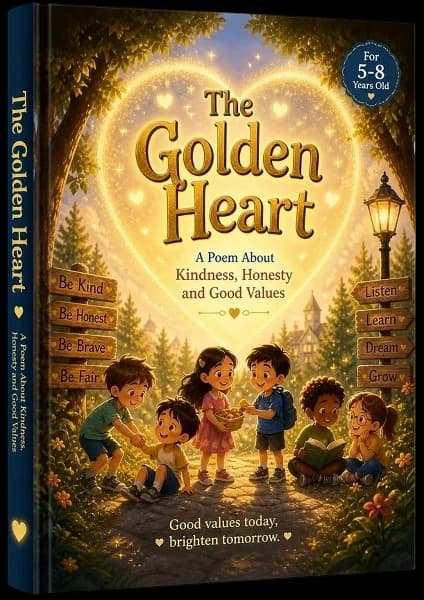
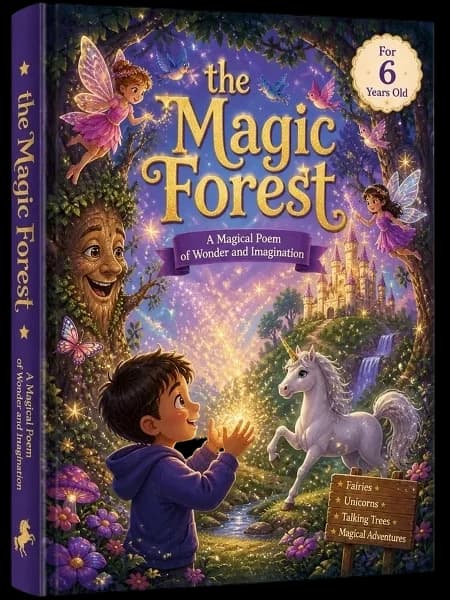
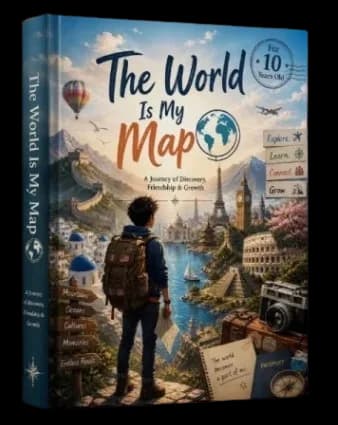
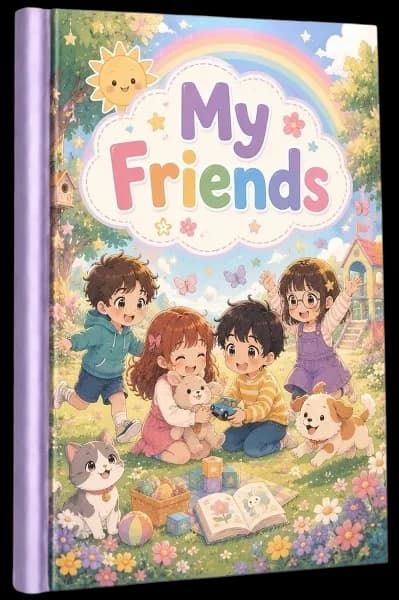
Poems for kids introduce young readers to the rhythm, sound, and creativity of language. From amusing animal verses to gentle descriptions of nature, poetry can turn ordinary ideas into memorable reading experiences. At LitsLib, children can explore poetry that matches their interests, whether they enjoy silly characters, playful rhymes, or peaceful words before bedtime. Unlike longer stories, a poem can express an idea in just a few lines. A surprising comparison, repeated phrase, or unexpected ending may be enough to make a verse memorable. Some poems entertain through humour, while others describe feelings, celebrate friendship, or encourage children to notice details in the world around them. Parents and teachers can introduce poetry during reading time, classroom activities, or relaxed family moments. With different themes and styles to explore, children can discover that poems are not limited to textbooks or formal lessons. They can be imaginative, funny, comforting, and enjoyable at any time.
Explore Children's Poems for Different Interests
Children's poems cover a wide range of subjects, making it easy to find something that appeals to each young reader. Animal lovers might enjoy verses about mischievous cats or adventurous birds, while curious children may prefer poems about planets, gardens, weather, or imaginary places. Some verses describe familiar experiences, such as playing with friends or visiting a park. Others transform everyday objects into extraordinary characters, inviting children to imagine a talking pencil or a dancing umbrella. These unusual ideas make ordinary subjects feel fresh and encourage young readers to interpret language creatively. Poetry can also explore emotions and relationships. Verses about kindness, family, disappointment, or happiness may provide a starting point for conversations about feelings. Children can share what they think a poem means or explain which part they find most interesting.
Short Poems for Kids
Short poems for kids are particularly useful for introducing poetry to beginners. Their compact length allows children to concentrate on a complete idea without feeling overwhelmed by a lengthy passage. A brief verse might describe a butterfly landing on a flower, a raindrop sliding down a window, or a little animal searching for food. Even a handful of lines can create a picture, communicate a feeling, or tell a miniature story. These poems also suit quick reading sessions at home or school. Children can practise reading a verse independently, identify its main subject, or illustrate the scene it describes. For developing readers, finishing a complete poem can provide a satisfying sense of progress.
Rhyming Poems for Kids
Rhyming poems for kids use matching ending sounds to create memorable patterns. Familiar pairs such as “cat” and “hat” or “moon” and “spoon” help children notice how spoken words relate to one another. Rhyme can make poetry especially enjoyable when reading aloud. Children may predict the final word, complete a missing line, or clap along with a repeating pattern. These simple experiences encourage careful listening and familiarity with sounds that are useful in early literacy. However, poetry does not always need matching endings. Some poems rely on rhythm, descriptive language, repetition, or free verse instead. Exploring different styles helps children understand that writers can express ideas in many forms.
Funny Poems for Kids
Funny poems for kids bring laughter through absurd situations, unexpected comparisons, playful exaggeration, and surprising endings. A dinosaur trying to fit into a school bus or a penguin wearing mismatched shoes can provide plenty of material for comic verses. Humour often works through surprise. A poem may begin with an ordinary situation before revealing an unexpected twist that changes the reader's understanding. Children can enjoy guessing what might happen next or explaining why a particular line seems ridiculous. These verses can also inspire original writing. Children might invent an unusual character, describe a comically messy room, or imagine what would happen if household objects could talk. The goal is to encourage playful expression rather than perfect spelling or rhyme.
Bedtime Poems for Kids
Bedtime poems for kids offer a peaceful reading option at the end of the day. Gentle imagery involving moonlight, sleepy animals, quiet gardens, or distant stars can create a calm atmosphere before sleep. Because many poems are brief, families can include one in an evening routine without committing to a long reading session.
Parents can read slowly, allowing children time to picture the setting and enjoy the sounds of the words. The best choice depends on a child's preferences. Someone fascinated by space may enjoy verses about constellations, while an animal lover might prefer a poem about a kitten curling up in its bed. Familiar themes and reassuring endings can make bedtime reading a comforting ritual.
Poems for 5 Year Olds
Poems for 5 year olds generally work best when they use familiar vocabulary, clear ideas, and manageable lines. Children at this stage may enjoy repeating favourite phrases, recognising simple rhymes, and connecting words with objects or experiences they know. Suitable subjects include pets, toys, family members, playgrounds, and changing weather. Repetition can help children join in even when they cannot yet read every word themselves.
Adults can make the experience interactive by asking children to name the subject, imitate an animal sound, or point out a word they recognise. Pictures and gestures may also help younger listeners understand the poem. Every child develops differently, so age should be a guide rather than a strict limit. Some five-year-olds enjoy listening, while others are ready to attempt short verses independently.
Poems for 6 Year Olds
Poems for 6 year olds can introduce more varied vocabulary, descriptive details, and opportunities to interpret meaning. Children may begin identifying repeated patterns, comparing characters, or explaining how a writer creates a particular image. Verses about seasons, friendship, animals, and adventure can connect reading with subjects children encounter at school and at home. A poem about falling leaves, for example, may encourage a child to observe seasonal changes, while a humorous verse can prompt discussion about an unexpected ending.
Young readers can also try simple poetry activities, such as finding rhyming words, reading a verse to a family member, or writing a few lines about a favourite animal. These tasks build confidence without requiring complicated poetic rules. Some six-year-olds may prefer the simplicity of earlier poems, while others are ready for longer pieces. Choosing material according to ability and interest is more helpful than relying on age alone.
How Poetry Supports Children's Learning
Poetry offers children opportunities to develop language and literacy skills through an engaging format. New words appear in memorable contexts, while rhythm and repeated sounds encourage attention to spoken language. Reading a poem also involves understanding meaning. Children can identify the subject, notice descriptive details, make predictions, and discuss why a character behaves in a certain way. These activities strengthen comprehension while allowing room for different interpretations. Reciting a favourite verse gives children practice with pronunciation, pacing, and spoken expression. Creative responses, such as illustrating a scene or inventing a new line, connect reading with artistic expression. There is no need to turn every poem into a worksheet or formal exercise. Enjoyment is an important part of reading, and allowing children to choose verses they like can help them develop a lasting interest in language.
Make Poetry Part of Everyday Reading
Poetry can fit naturally into daily routines. Families might read a short verse over breakfast, share a funny poem during a break, or choose a gentle piece before bedtime. Teachers can introduce poetry through read-aloud sessions, sound games, and discussions about imagery. Children can also build their own collections of favourite verses. They might copy a line into a notebook, draw a picture inspired by a poem, or create a small collection around a subject such as animals or seasons. Giving young readers a choice is important. A child who enjoys humour may later explore nature poetry, while someone who loves rhymes may become interested in longer narrative verses. Following these interests keeps reading enjoyable and encourages independent exploration.
Discover Poems for Kids at LitsLib
LitsLib offers a starting point for families seeking poetry that suits different ages, moods, and interests. From short poems for kids and amusing rhymes to gentle bedtime verses, young readers can explore the many ways words create pictures, sounds, and ideas. Whether you are searching for poems for 5 year olds, poems for 6 year olds, or entertaining children's poems to share at home, choose verses that encourage curiosity and enjoyment. A poem can begin with a few simple words and lead to laughter, thoughtful questions, or a new creative idea. Explore LitsLib and make poetry a welcoming part of your child's reading journey.